Elfheim: Difference between revisions
From Deepest Lore
More actions
Pogsothoth (talk | contribs) No edit summary |
Pogsothoth (talk | contribs) No edit summary |
||
| (One intermediate revision by the same user not shown) | |||
| Line 10: | Line 10: | ||
{{this}} was a territory in [[The Lands of the Highpriest]]. | {{this}} was a territory in [[The Lands of the Highpriest]]. | ||
== Government == | |||
{{this}} consisted of several autonomous duchies ruled by noble dynasties. Each dynasty traced their heritage to one of the [[The Antecedents|Antecedents]], ancient [[elf|elves]] who swore an immortal covenant with a deity in exchange for eternal piety and submission. For one-thousand years, a [[Aillas the Good|grand duke]] ruled over Elfheim though since his death no other ruler has succeeded in uniting the duchies once again. | |||
== Society == | |||
{{this}}ians lived in outdoor communities of hunters, crafselves and gatherers around naturally fortified sites called Castrums. Many elfheimians lived as nomadic shepherds though their livestock was owned and accounted for by their duchy rather than their tribe. | |||
Latest revision as of 09:41, 12 April 2026
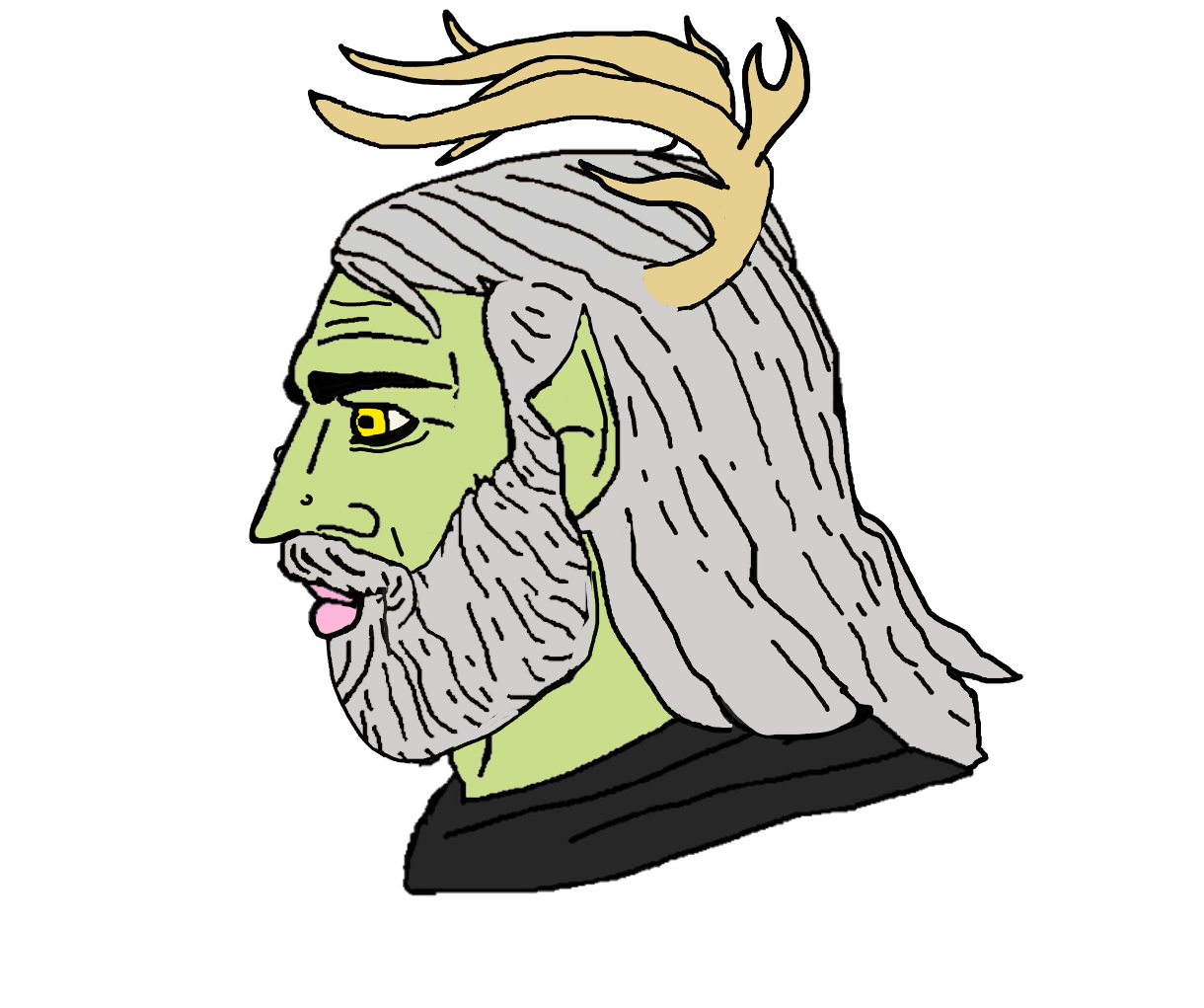
| Elfheim | |
|---|---|
| Government | Grand Duchy (De Jure) Union of Duchies (De Facto) |
| Ruler | The House of Dukes |
| Capital | The Ducal Palaces |
| Location | The Wildered North |
| Demonym | Elfheimian |
Elfheim was a territory in The Lands of the Highpriest.
Government
editElfheim consisted of several autonomous duchies ruled by noble dynasties. Each dynasty traced their heritage to one of the Antecedents, ancient elves who swore an immortal covenant with a deity in exchange for eternal piety and submission. For one-thousand years, a grand duke ruled over Elfheim though since his death no other ruler has succeeded in uniting the duchies once again.
Society
editElfheimians lived in outdoor communities of hunters, crafselves and gatherers around naturally fortified sites called Castrums. Many elfheimians lived as nomadic shepherds though their livestock was owned and accounted for by their duchy rather than their tribe.